

Health is based on three pillars: sleep, nutrition and fitness. I chat with some of the most interesting people I know to discover more about their Health Stacks: the behaviors and products they use to stay healthy and fit.
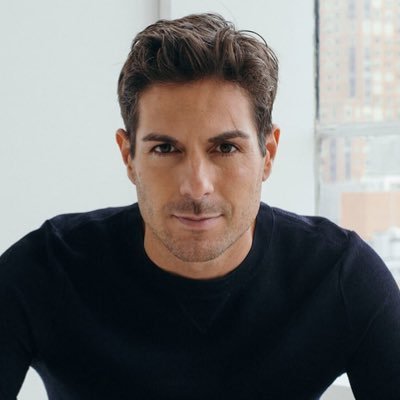
I had an hour-long Zoom chat with Sean Rose recently. Sean has worked at places like Slack and Box, where he focused on products that improve communications through software solutions. Sean lives an incredibly fit and healthy lifestyle now and I wanted to learn more about his habits and hacks.
What matters most to me in health and wellbeing
There are two things that are most important for me. First, being at my best every day. That comes from both physical and mental acuity, which I see as closely linked. Working out regularly and having diet, sleep and everything in order, it enables me think more clearly at work and perform in my everyday life. It’s to the point now where when I’m not doing any of those things, it feels like I’m losing something as opposed to gaining something when I actually do them. It’s a point of no return, I think, when you get that clarity. The other important thing for me is living both long and well.
“Most people are familiar with the idea of lifespan, which is how long you live, but just as important is healthspan, or how many years of your life you are optimally healthy.”
Both are very important for me and inform my health related decisions.
The things I prioritize to stay healthy
My core behaviors are around sleep, diet and exercise. After many years of experimenting, I now have well-defined habits and schedules for each. I think of sleep (and honestly, this isn’t just because I’m talking to you) as the primary driver that dictates all the other things health-related. Having the right environment and amount of sleep every day is really important, everything else gets better when I have that in order.
Second, for diet, I’m a big practitioner of the fasting mimicking diet, which has been shown to have many of the same benefits of intermittent fasting, but on a more manageable, daily schedule. Essentially, you’re just limiting your eating window everyday. Mine is typically 10 hours. My diet is otherwise paleo, though I take a “bend but don’t break” approach and am not always strict. If there’s a meal/food I really want, I’ll make time for it, just not every day. About 6 months ago I stopped drinking alcohol, which has been life changing.
The third is exercise. I have habits around when I exercise and the exact type of exercises I do, too. I’m very into doing HIIT. Part of it is just because I think I’m a lazy exercise person, and it’s the only thing that keeps me mentally engaged. I can’t really do long distance activities. I just get bored, so I end up sticking with interval training instead. I do yoga and a lot of physical therapy-like activities to even out my body as well. I train in the morning right when I wake up because it just sets me on a good path for the rest of the day.
The products I use
In terms of the top 2 products in my Health Stack, it’s probably a tie between the Apple Watch and the Eight Sleep Pod, but I use many. The Apple Watch is fascinating to me because it’s very easy to dismiss as being very simple, but there’s something so impactful about the accountability it creates. Even seemingly basic things like the stand reminders are effective for me. Before I got the Apple Watch, I probably would‘ve told you that I stand at least 12 hours a day, but the number of times it has to remind me to stand in a given day is pretty amazing. It’s got the perfect amount of simplicity while still being effective and motivating, and I don’t think I would be nearly where I am today without it.
On the Eight Sleep side, the Pod Pro has just made everything effortless for me. I could probably spend hours talking about how huge of a problem thermoregulation has been for me in the past. I sleep very hot and live in the Bay Area. Most places don’t have air conditioning, which can be tough for people like me. I’ve tried everything over the years from all the different materials for sheets and comforters to multiple fans and all this other stuff that didn’t really work. Just knowing that my sleeping temperature is instantly going to be taken care of every night is life changing. I would definitely fight over giving that up, and I could never go back.
When it comes to working out, I use Peloton for both HIIT cycling workouts as well yoga and stretching workouts in their mobile app. I’m a diehard Barry’s fan as well. They don’t quite have an app per se right now, but they do have online classes. I’m still a big fan of those and the style of interval workouts they do. I rely heavily on Levels to closely monitor my glucose and personalize my diet. For recovery, I use a foam roller, Hypervolt Plus and Hypervolt ball. I also have a scale from Withings which keeps my weight synced with Apple Health. I use 23andMe and Elysium’s index, which leverages epigenetic tasting to help you understand your biological age.
The apps I use
I use several apps to regularly monitor different aspects of my health. I use Zones for interval training. It helps you monitor your heart rate